
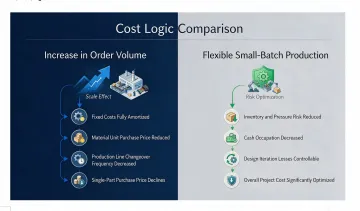
How MOQ Works for Prototypes, Small-Batch Production, and Mass Manufacturing
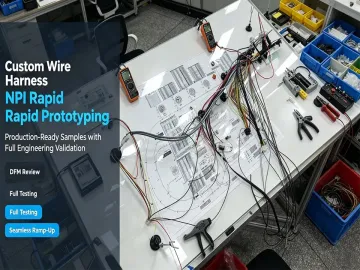
In the New Product Introduction (NPI) process for custom electronic wire harnesses, engineering teams are most often stalled not by "can it be made", but by "whether the sample meets the customer's functional quality requirements, whether validation data is usable, and whether it can seamlessly transition to mass production".
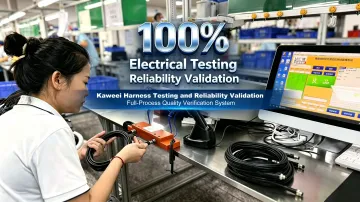
Every wire harness must pass specified electrical and functional verification before shipment. This is not a slogan, it is the quality baseline embedded in Kaweei's manufacturing process.
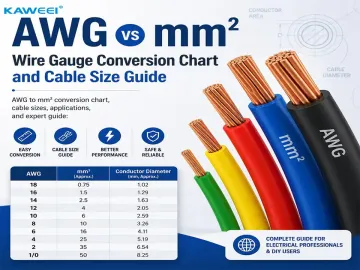
AWG and mm² are two different ways of specifying conductor size. AWG is commonly used in North America, while mm² is widely used in IEC-based cable specifications. This guide explains the difference between AWG and mm², provides a practical conversion chart, and shows how to choose the right wire size for a wire harness or cable assembly.
From Process Evaluation to Tooling & Fixtures, from NPI Validation to APQP System — Kaweei's Engineering Team Fully Deconstructs the Manufacturing-Side DFM Implementation Process for Wire Harnesses.
Bridging the Gap Between Wire Harness Design and Manufacturing — Terminal Insulation, Material Temperature Resistance, and Solder Joint Clearance: Every Detail Determines Mass Production Success.
Trending News
-

IPC-620 Wire Harness Processing Standard: How Does Kaweei Ensure Every Wire Meets the Specification?
2025-03-11 -

Difference between OEM and ODM
2025-03-20 -

What is Wire Harness Design?
2025-08-27 -

Kaweei High-Speed Data (HSD) Connectors for Automotive and Industrial Applications
2024-12-27 -

High voltage cable assemblies for electric vehicles
2025-03-03